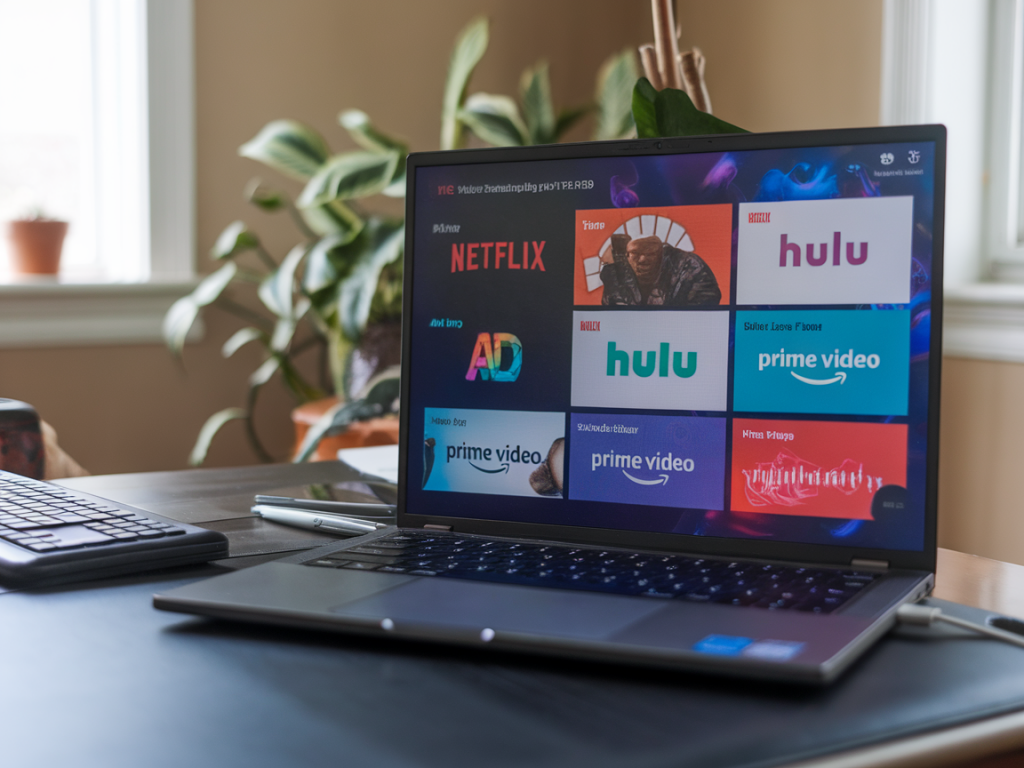
I started paying attention to streaming platforms’ ad-supported tiers the way a journalist watches a slowly changing skyline: you don’t notice the new tower until the cranes have been up for weeks. Lately those cranes are everywhere. From Netflix and Disney+ to smaller players like Peacock and Paramount+, streaming services are quietly rolling out or testing cheaper plans with ads. They’re not shouting it from the rooftops because the shift is delicate—it touches user expectations, ad inventories and investor narratives all at once.
Why platforms are testing ad tiers quietly
There are several practical and strategic reasons for the hush-hush approach.
Revenue diversification without shocking subscribers — Many services launched promising an ad-free future. Introducing ads risks backlash. So companies roll out ad tiers slowly, often in selected countries or to new users, to measure churn and sentiment before a global push.Ad tech maturity and inventory testing — Programmatic advertising needs scale and good targeting to work. Platforms are testing ad frequency, formats (short bumper ads vs. longer spots), and whether third-party ad tech partners can deliver high CPMs for streaming audio-visual inventory.Segmentation experiments — Companies want to know which users will accept ads for a lower price and which will pay full price. Quiet tests let them identify cohorts—students, cord-cutters, or price-sensitive households—without alarming their premium subscribers.Investor optics — Public companies prefer to present steady growth narratives. A sudden, broad shift to ad-supported models could be framed as desperation. Slow, controlled rollouts let them point to “strategic initiatives” and incremental ARPU (average revenue per user) gains.Regulatory and competition considerations — In some markets ad rules, data use regulations or local ad demand may complicate a big launch. Testing lets platforms adapt to local conditions and see how competitors respond before committing globally.What this means for viewers
If you stream, the proliferation of ad tiers is both an opportunity and a bit of friction. The opportunity: lower prices. The friction: interruptions, privacy/targeting concerns, and the administrative chore of juggling plans to save money.
But there’s more nuance. Based on what I’ve seen across Europe and the US, platforms often position ad tiers as “same catalog, lower price, ads inserted” or “some content excluded” depending on licensing. For example, big theatrical releases or live sports may remain paywalled or appear with limited ads. That’s why you’ll sometimes see promotional messaging that an ad tier is “mostly” the same—because it often is, but with exceptions.
How to save on subscriptions today: practical tactics I use and recommend
I apply these approaches personally and suggest readers try a combination that fits their viewing habits and tolerance for ads.
Try the ad tier for a month — If a service you use adds an ad tier, switch for 30 days to experience the real ad load and targeting. If it’s tolerable, keep it. If it’s intrusive, you can time a switch back or compare offers. Many platforms allow quick plan changes via account settings.Rotate subscriptions seasonally — Rather than retaining five streaming services year-round, rotate by season or by what’s releasing. I keep essentials year-round (one broad catalog service + a sports/music service) and subscribe to niche platforms only for the months I need them.Use bundled offers and partner deals — Telecom and credit-card bundles still deliver savings. Examples include Disney’s bundle with Hulu and ESPN+ (where available), or mobile carriers offering free or discounted streaming as part of plans. Check bank/credit card perks—some provide free months of Netflix, Amazon Prime Video, or Paramount+.Leverage family plans carefully — Share plans within your household to spread the cost. Be mindful of account limits and the service’s terms—companies are tightening password sharing rules, so make sure you comply where required.Student, military and local discounts — Platforms sometimes offer reduced-price plans for students or specific groups; Netflix and Spotify historically had student discounts in some markets, and other services occasionally run targeted promos.Stack free trials and promotional credits — New services and device purchases often come with free trial months. Keep a calendar of trial expirations to avoid automatic renewals, and take advantage of free months when you can realistically binge the content during that window.Consider ad-supported, but control privacy and ad load — If you’re okay with ads, opt for an ad tier and then tweak ad preferences through the platform’s privacy settings where available. You can also use ad-blocking only in browsers (not in smart TV apps) with the understanding it may violate some terms of service.Negotiate or cancel and re-subscribe — If you’ve been a long-term subscriber and price hikes arrive, contact customer service to ask for retention offers. When cancellation is imminent, some services surface discounted “come back” offers that are cheaper than current rates.A quick comparison table: ad tiers vs. ad-free (generalized)
| Feature | Ad-supported tier | Ad-free tier |
| Monthly cost | Lower (typically 20–50% cheaper) | Higher (baseline price) |
| Ad interruptions | Yes — frequency varies | No |
| Catalog restrictions | Sometimes (new releases/sports excluded) | Rarely |
| Picture/audio quality | May be limited (HD/4K restrictions possible) | Usually full quality |
| Data/privacy | More targeted ads (requires data use) | Less ad-driven targeting |
Brand examples and what they’ve signaled
Here are some real-world reference points I’ve watched:
Netflix — Moved to introduce an ad tier and tested pricing and ad loads in multiple markets; they try to balance subscriber growth with ad revenue potential.Disney+ — Launched an ad-supported option in stages and often bundles with Hulu/ESPN in the US to make the math work for price-sensitive households.Hulu, Peacock, Paramount+ — These services historically leaned more into ad-supported models from the start and are now benchmarks for how ads can be integrated without destroying UX.Amazon Prime Video — Uses a hybrid approach: overall Prime membership includes video, but ad opportunities appear around live events and certain shows.How to decide what’s worth it for you
Start by asking three questions:
How much do you watch? — Heavy viewers may prefer ad-free; light viewers can save significantly with ad tiers or rotating subscriptions.Which content matters? — If you follow live sports or new blockbuster releases, check whether those are excluded from ad tiers.How much friction are ads for you? — If targeted ads and short breaks are tolerable for a 30–50% discount, ad tiers can be an easy win.Streaming services are in an evolution phase where small changes have outsized ripple effects. By testing ad tiers and reading the fine print, you can often cut your monthly bill meaningfully—without sacrificing the shows you care about.