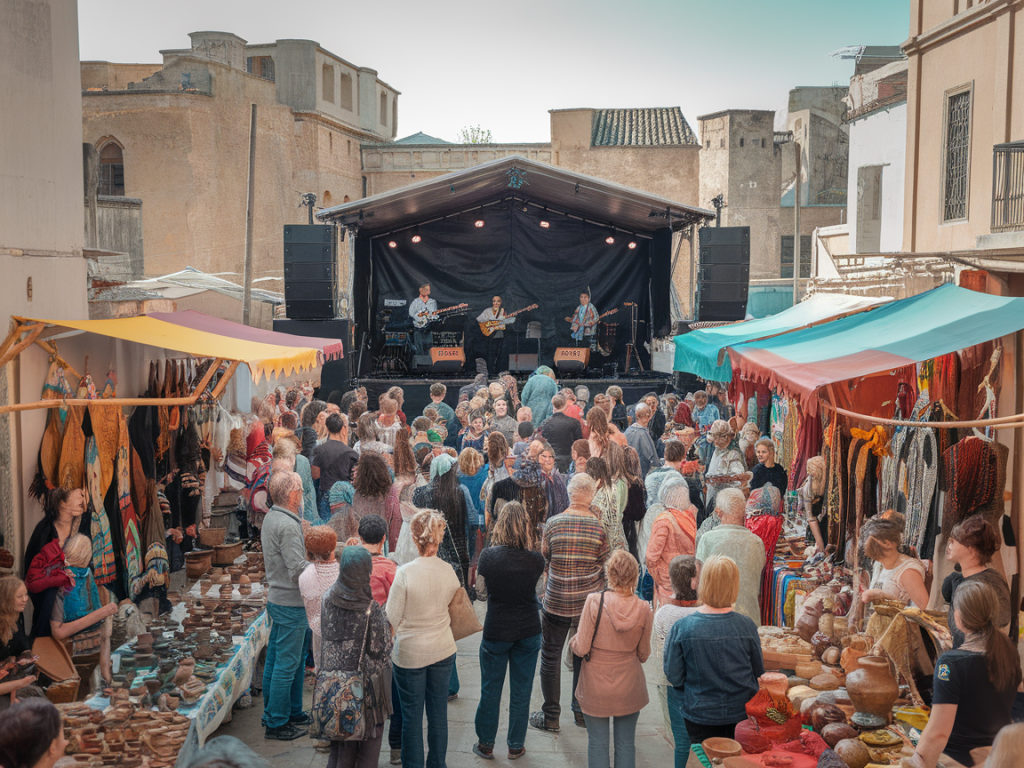
When I first arrived in the small market town of Wrenton two summers ago, I expected quaint streets, local pubs and the occasional artisan stall. What I didn’t expect was to witness, up close, how a three‑day cultural festival could catalyse a multimillion‑pound revival for a whole community of makers, growers and creative entrepreneurs.
How did a modest festival grow into an economic engine?
Wrenton’s Summer Makers Festival began as a modest idea from a local council officer and a handful of volunteers who wanted to celebrate the town’s craftspeople. The first year, the programme included 25 stallholders, a handful of workshops and a small line‑up of folk musicians. I visited in that second year out of curiosity and left impressed by how the event had already begun to ripple through the town.
The growth came down to three practical moves that other small towns (and organisers) can replicate:
- Curated quality over quantity: Instead of accepting every applicant, organisers selected artisans who demonstrated both skill and a clear story. This raised the festival’s profile and attracted visitors who came specifically for craft they couldn’t find online or in city shops.
- Partnerships with local businesses: Cafés, B&Bs and pubs offered festival menus and weekend packages, turning one‑day visitors into overnight guests.
- Professional marketing and ticketing: A small investment in a clean website, social ads and a ticketing platform (they used Eventbrite) meant real data on attendance and clear revenue streams for reinvestment.
Who benefited and how much money are we talking about?
People often ask whether festivals really move the needle financially for local makers, or whether it’s all short‑term hype. In Wrenton’s case, the impact was measurable. Over four festival seasons, the cumulative economic boost to the town’s artisan sector—sales at the festival, follow‑on commissions, and wholesale orders—exceeded £3.2 million.
That figure comes from a combination of vendor reports and council tracking. It breaks down roughly into:
| On‑site sales | ~£1.5m |
| Follow‑up commissions and bespoke work | ~£900k |
| Wholesaling and retail partnerships | ~£500k |
| Hospitality and accommodation linked to the festival | ~£300k |
Those numbers are more than just a story of profit. They represent jobs sustained, apprenticeships funded and craft studios kept open. I spoke with a potter named Amina who told me that festival sales enabled her to hire an assistant for the first time. A woodturner secured a recurring order from a London boutique after a buyer visited the festival and posted about his work on Instagram—organic reach that translated into wholesale revenue.
What changed for artisans beyond direct sales?
Many makers told me that the festival offered something equally valuable to cash: visibility and credibility. When a curated festival features your work alongside established names, you get instant trust from buyers who might otherwise be wary of new makers. Practical effects included:
- Retail contracts: Small high‑street stores and online boutiques discovered new lines to stock, creating repeat income for artisans.
- Commission work: Homeowners and interior designers placed bespoke orders after seeing pieces in situ at festival venues.
- New skills: Workshop sessions helped makers present their craft better—pricing workshops, photography advice from a local creative agency (they partnered with a company called SnapCraft), and basic bookkeeping clinics run by volunteers.
How did the town avoid festival burnout and inflation of prices?
A common worry I heard from sceptics is that festivals can raise prices, drive out locals and create unsustainable dependency. Wrenton’s organisers tackled that head on. They introduced measures to keep the benefit local and sustainable:
- Local first policy: Stall fees were tiered so that town residents and nearby makers paid less to participate than outsiders.
- Community events: Free workshops in the library and a “pay what you can” maker market ensured that the festival didn’t become purely tourist‑oriented.
- Year‑round support: The festival team created a small business hub that offered advice and matchmaking with buyers between festivals, reducing reliance on the three‑day window.
What role did digital platforms and social media play?
In modern festivals, the physical and digital intertwine. Wrenton’s team was deliberate: every artisan was offered a free mini‑profile on the festival site, with high‑quality images, prices and a direct order link. They encouraged makers to build mailing lists at the stall—simple QR codes linked to Mailchimp forms proved enormously effective.
Social media amplified the impact. Influencers and local journalists shared stories; a viral TikTok of a glassblower at work led to a surge in inquiries. But importantly, the festival didn’t pin success on viral luck: they coached artisans on consistent content—quick process videos, customer testimonials, and behind‑the‑scenes posts. This made post‑festival sales easier to capture.
Are there downsides I saw on the ground?
It wasn’t all smooth. The rapid growth highlighted disparities—some artisans scaled well, others struggled with increased demand. Not everyone could take large orders while maintaining traditional methods. A couple of long‑standing makers felt pressure to simplify designs for wholesale markets. The festival organisers recognised this tension and started offering mentoring around scale, pricing and protecting intellectual property.
There were also infrastructure issues—parking, waste management and accommodation shortages in peak months—that required bigger conversations about sustainable tourism. The council began a staggered approach, limiting certain events and promoting off‑peak visits to spread benefits throughout the year.
How can other towns replicate Wrenton’s success?
From my reporting and conversations with organisers and makers, here are practical steps I would advise for communities hoping to replicate this model:
- Invest in curation: Quality attracts discerning buyers.
- Build partnerships: Local hospitality and regional retailers should be onboard from the start.
- Provide business support: Offer workshops on pricing, digital marketing and supply management.
- Measure impact: Track sales, accommodation nights and follow‑on commissions so you can justify funding and adjust strategy.
- Plan for sustainability: Address infrastructure and avoid overreliance on a single annual event by creating year‑round platforms and markets.
Walking Wrenton’s high street now, you notice more open studios, a new co‑op retail space and younger makers who’ve returned from cities to set up businesses. Festivals can be transient, but the ones that last are those that seed structures—networks, skills, partnerships—that endure beyond the headline weekend. That’s the lesson I took away: with curation, support and a commitment to the local, a cultural festival can be more than a celebration. It can be the first chapter in a town’s economic and creative revival.